Virginia Standards of Learning (SOL) tests is expected to undergo the most significant transition next school year. As these changes shifting examanation times for students, how exam scores are calculated and what stakes are attached to performance, it draws different opinions among those affected.
“The changes are pretty dramatic in itself. Currently for a student to earn verified credit, they need to pass with a proficient score of 400 on the SOL,” said Bettrys Huffman, executive director of student assessment. “Under this new provision, students would need a 479 just to pass the test.”
These changes, signed into law by current Gov. Glenn Youngkin, is a bipartisan effort to boost student achievement across the state. According to the National Center of Educational Process, Virginia test scores have sharply declined during the COVID-19 pandemic, showing minimal progress since.
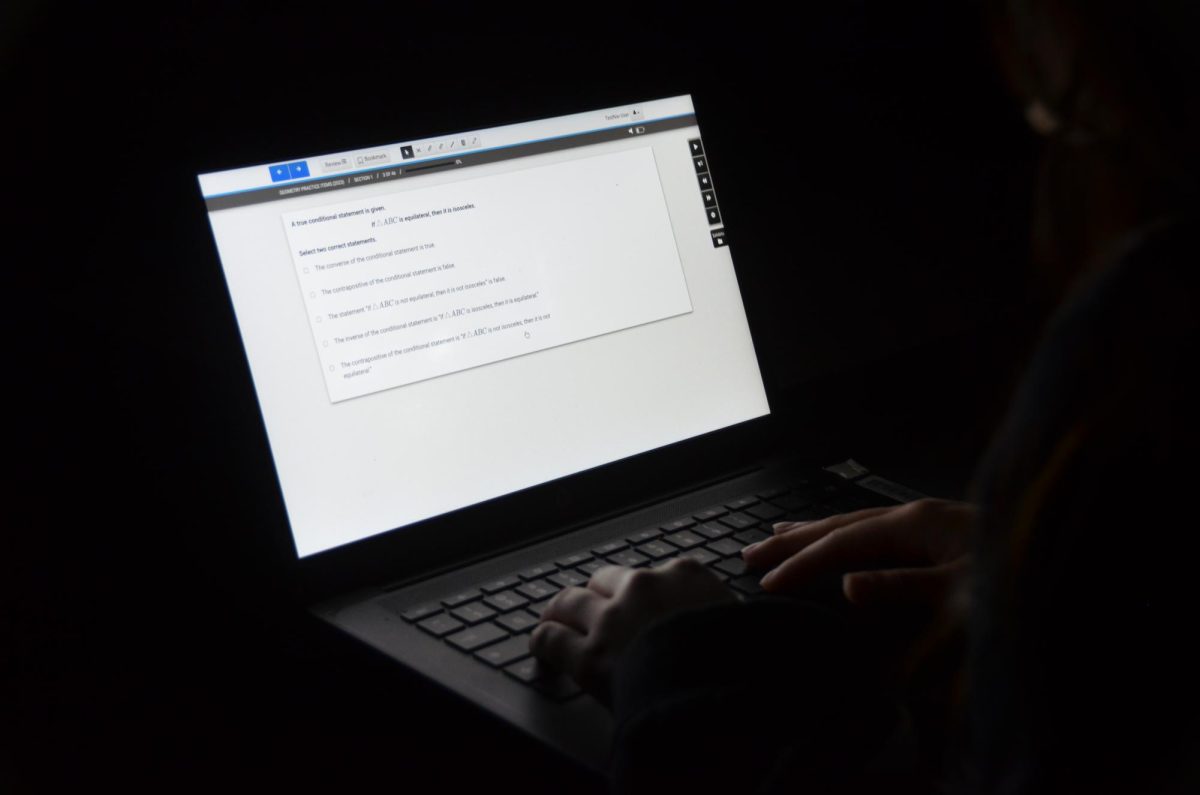
Next school year, SOL tests for students in middle and high school will replace the traditional final exam grade, compelling some students to make changes to their study routine.
“[These changes] definitely change how long and seriously I prepare for the SOLs because I care a lot more about my grade than just some random score out of 600,” freshman Ann Li said.
The most visible change for families will be the shift from Virginia’s current 600-point scoring scale to a simpler 100-point system. Currently, the threshold for a passing “proficient” score is 400, but will raise significantly to 446 following the changes.
“This is a drastic cutoff. Right now, the number of questions you have to get right to pass is something like 60%, now they are raising it to more like 80%.”
These increased cut scores will have a hindering effect on student pass rates. Last school year, Langley had a 97% pass rate on the geometry end of course SOL. Although with these new changes, according to FCPS, only 50% would have passed.
“This could be the difference between graduating or not graduating,” Huffman said. “Changing [and] having high expectations for our students is something that we all want, but we need to make sure that they’re learning and are able to meet those high expectations at the same time.”
A major concern is the implications these lowered pass rates potentially have on school accreditation. As of now, Virginia schools use a point accreditation system that separates schools into four categories based on their point value.
“Students who fail at different levels receive less than a full point. It’s going to be more challenging for students to attain the advanced level,” said Assistant Superintendent Marcy Kneale. “That’s going to draw down overall points awarded to schools for their school performance and support framework.”
Adding to the pressure, these new changes require SOLs’ to be administered in the last two weeks of school.
“As a teacher, I don’t even know how the standards are going to appear on the test,” math teacher Ciara Bebee said. “So kids just have to be prepared to think outside of the box and actually understand the math that’s being presented to them.”
Bebee emphasizes the need for student involvement and effort to meet the increasingly difficult passing standards.
“We are giving students the information and the resources to study,” Bebee said. “If kids are not passing, then they need to reevaluate how much time and effort they’re spending to retain this knowledge.”