
“You don’t get to extract ransom for doing your job,” declared President Obama on the first day of the 2013 Government Shutdown.
More than a decade later, extracting ransom has become a standard procedure in our government. Members of congress have held essential government functions hostage through shutdowns unless the other party surrenders on demands. Since 1976, the United States government has shut down 20 times. And while no shutdowns occurred from 1995 to 2013, in the 12 years after Obama made his speech, there have been three. Two out of the three shutdowns were the longest in American history, totaling 51 days combined. The current shutdown, which began on Oct. 1, is entering its second month with no end in sight.
“I think the government shutdown is kind of inevitable,” sophomore Hudson Hu said. “Our government has only gotten more dysfunctional in recent years.”
When Washington shuts down, schools don’t immediately close, but the damage accumulates in a way that threatens students nationwide. During this current shutdown, only 5% of Department of Education employees will remain at work, according to Education Secretary Linda McMahon.
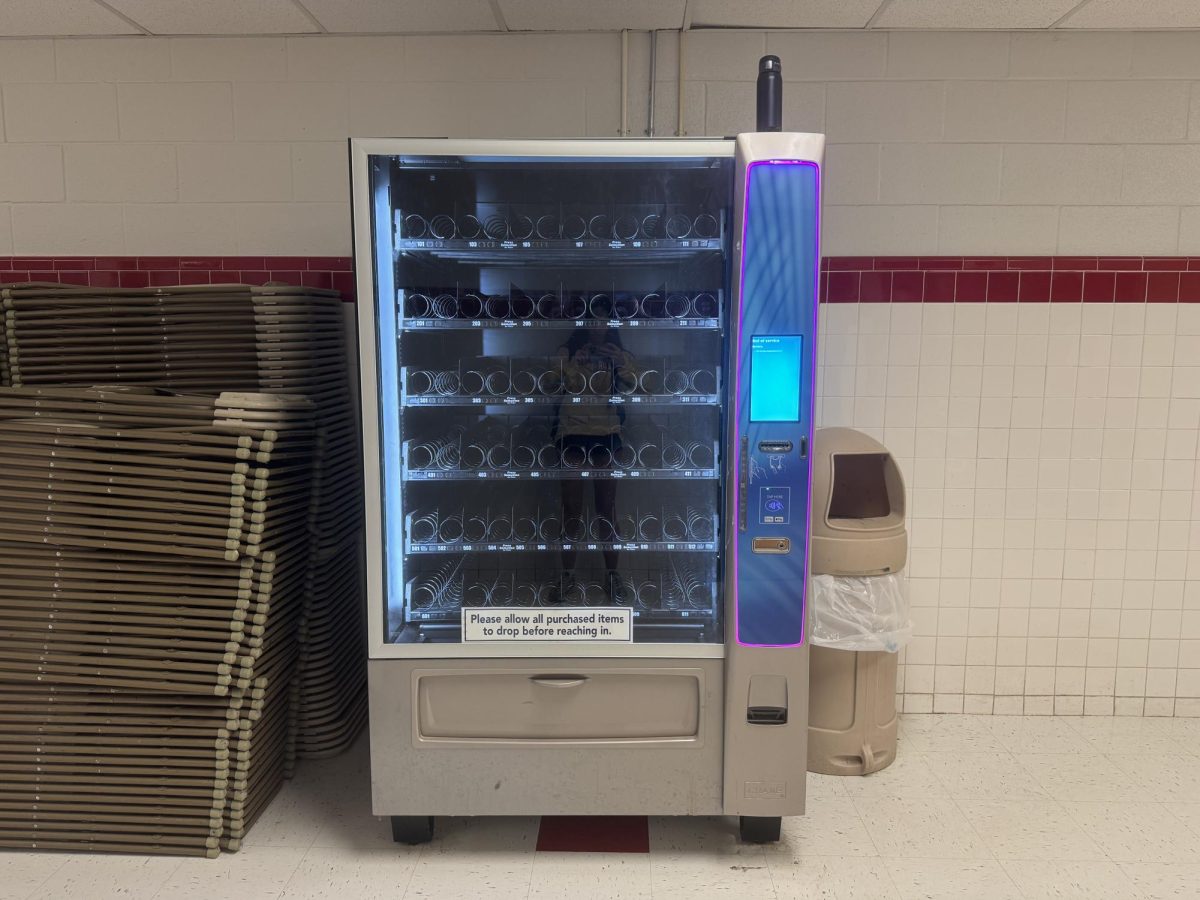
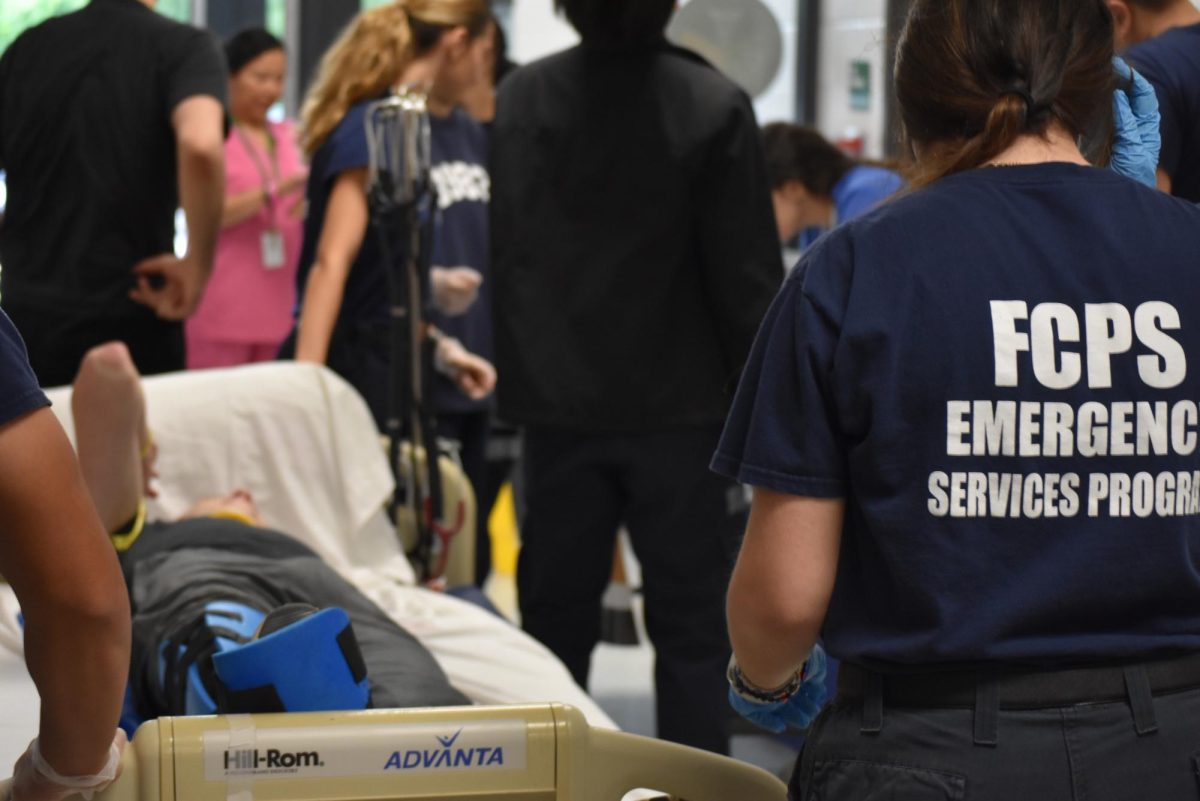
The immediate impact is already visible. Impact Aid payments — that provide financial assistance to districts with high numbers of low income families — have stopped, cutting off $4 million out of FCPS’s budget. Furthermore, Supplemental Nutrition Assistance Program (SNAP) benefits, which help provide food money to 56,000 people in Fairfax County, have also halted. For many children, this means fewer meals at home and more pressure on schools to fill the gap through free and reduced lunch programs, whose budgets are already stretched thin.
The real harm isn’t from a single shutdown, but rather what happens when schools realize they can’t trust the government to honor its commitments. School districts like FCPS design programs that assume federal funding will arrive. Then, when the government shuts down unexpectedly, districts realize their plans were built on sand.
Education requires stability. A student’s learning doesn’t pause when politicians deadlock. A student in poverty doesn’t stop needing support because Congress failed to pass a budget. The work continues. But the ability to plan, invest and commit to long-term improvement vanishes.
Trust doesn’t break in one moment; instead, it disappears slowly. Earlier this year, the Trump Administration withheld nearly $7 billion in funding that the President had already signed into law. States and schools were told in late June that federal funding scheduled to arrive the next day was under review. Districts had to scramble to adjust their budgets to meet this abrupt cut. In Butte County, California, dozens of tutors who work with children of seasonal migrant workers lost their jobs and may not come back.
This means that students are also learning to expect interruption. Children currently in elementary school will most likely experience multiple federal funding crises during their school years. They will attend schools faced with permanent uncertainty, coming to terms with the fact that availability of programs depends on whether adults in Washington can negotiate budgets.
The issue also won’t be suffered uniformly—educational inequality accelerates because wealthy districts can endure budget pauses when poorer districts cannot. Federal funding was originally designed to make education more equitable by leveling out playing fields between school districts. Instead, government shutdowns like the current one threaten this mission because support is precarious when communities need it most.
Some argue that schools should just adapt to this new normal by stockpiling more funds and reducing federal dependence. The problem is, many districts nationwide do not have the resources to do such tasks in the short term. Furthermore, this idea, while it may seem practical, means accepting and adapting to government shutdowns, which should never be acceptable.
Schools shouldn’t need to fortify themselves against the government. Districts and students deserve a government that places education as a top priority and not as ransom during budget battles.
In the end, the question is not whether or not another shutdown will occur. Instead, we must ask ourselves if we’ll finally recognize that normalizing this type of dysfunctional politics carries real costs for children’s education. We may not be able to prevent every shutdown, but we can refuse to accept them as inevitable.
Unless we take action, the future of education is clear. And it is deeply troubling.