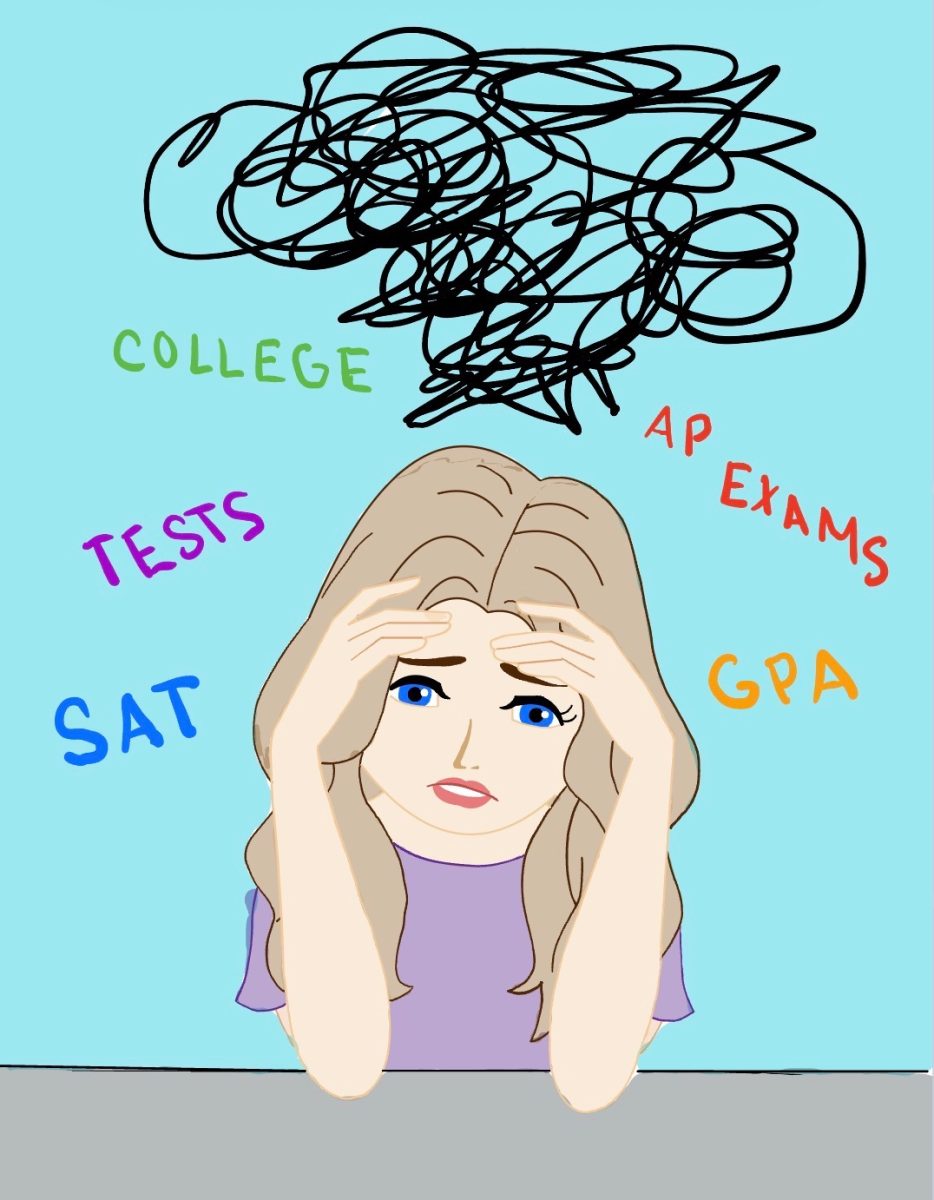
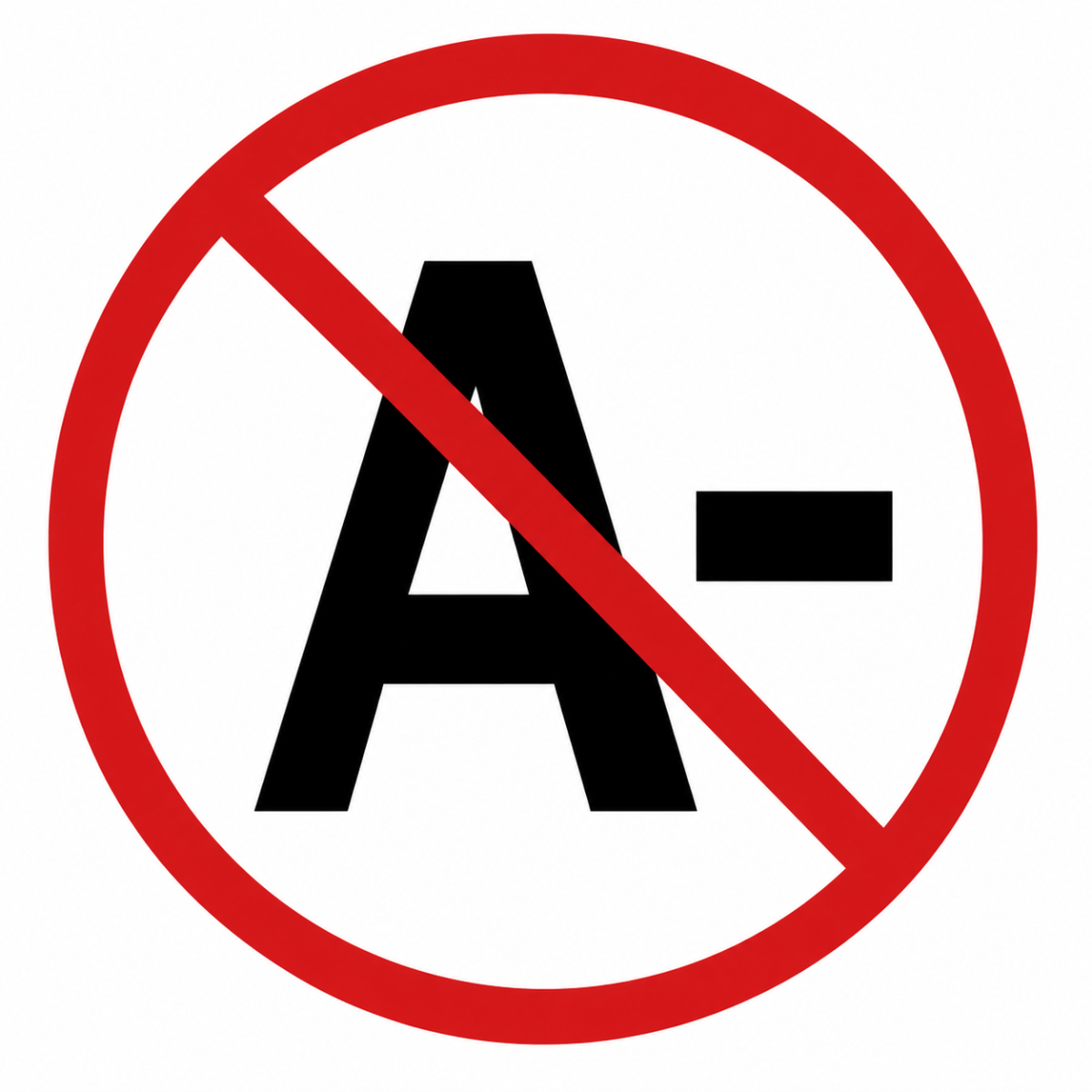
At McLean High School, students often feel pressured to chase perfection instead of learning. The A-minus grading scale increases stress and turns school into a constant competition over percentages.
In Fairfax County, grades from 89.5% to 92.4% are counted as an A-minus instead of a full A mark. Such a small numerical difference can have a major impact on GPA and class ranking.
It is prevalent that the system creates an unhealthy culture around grades. Instead of taking challenge courses out of curiosity or interest, many feel pressure to choose classes strategically in order to protect their GPA.
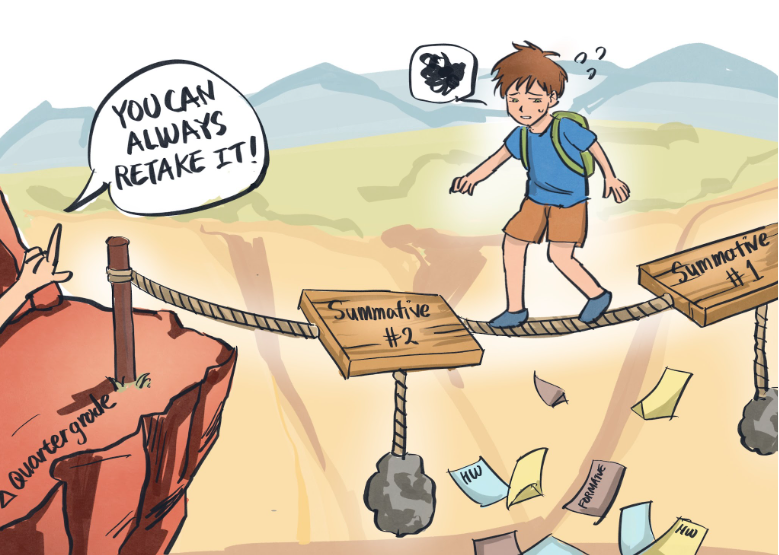
The grading scale discourages academic risk taking. A difficult unit, one low quiz grade or a single missed assignment can lower a semester average rough to affect transcripts and weighted GPA calculations.
Other nearby districts, including schools like Washington-Liberty High School and Yorktown High School, do not use the same A-minus system. Critics say that creates an uneven playing field for students applying to the same colleges and scholarships.
“Students already deal with enough pressure from AP classes, sports and extracurriculars,” McLean freshman Sajan Chandela said. “The grading scale just adds more stress over every assignment.”
Because students from Northern Virginia often apply to the same colleges and scholarships, some believe the grading differences creates an uneven playing field. Two students with nearly identical academic performance may appear different on paper simply because of varying grading policies.
Supporters of the system argue that A-minus helps maintain rigor and prevents grade inflation. They believe distinguishing between levels of achievement gives colleges a more accurate representation of student performance.
However, the policy places too much importance on tiny percentage differences that may not reflect actual understanding of material. Many students believe the system encourages perfectionism rather than actual learning.
The conversation surrounding grading policies has been increasingly common in competitive schools across Northern Virginia. As concerns about student mental health and academic stress continue to grow, some students and parents believe Fairfax County should reconsider whether its current system benefits students more than it harms them.
At some point, schools stop being about education and more about trying for a grade. Students should be remembered for the effort they put into each class and not solely the grade they get.