Starting from a cruise ship, the rapid spread of the Hantavirus among the passengers has sparked concerns among many over the outbreak of another global pandemic.
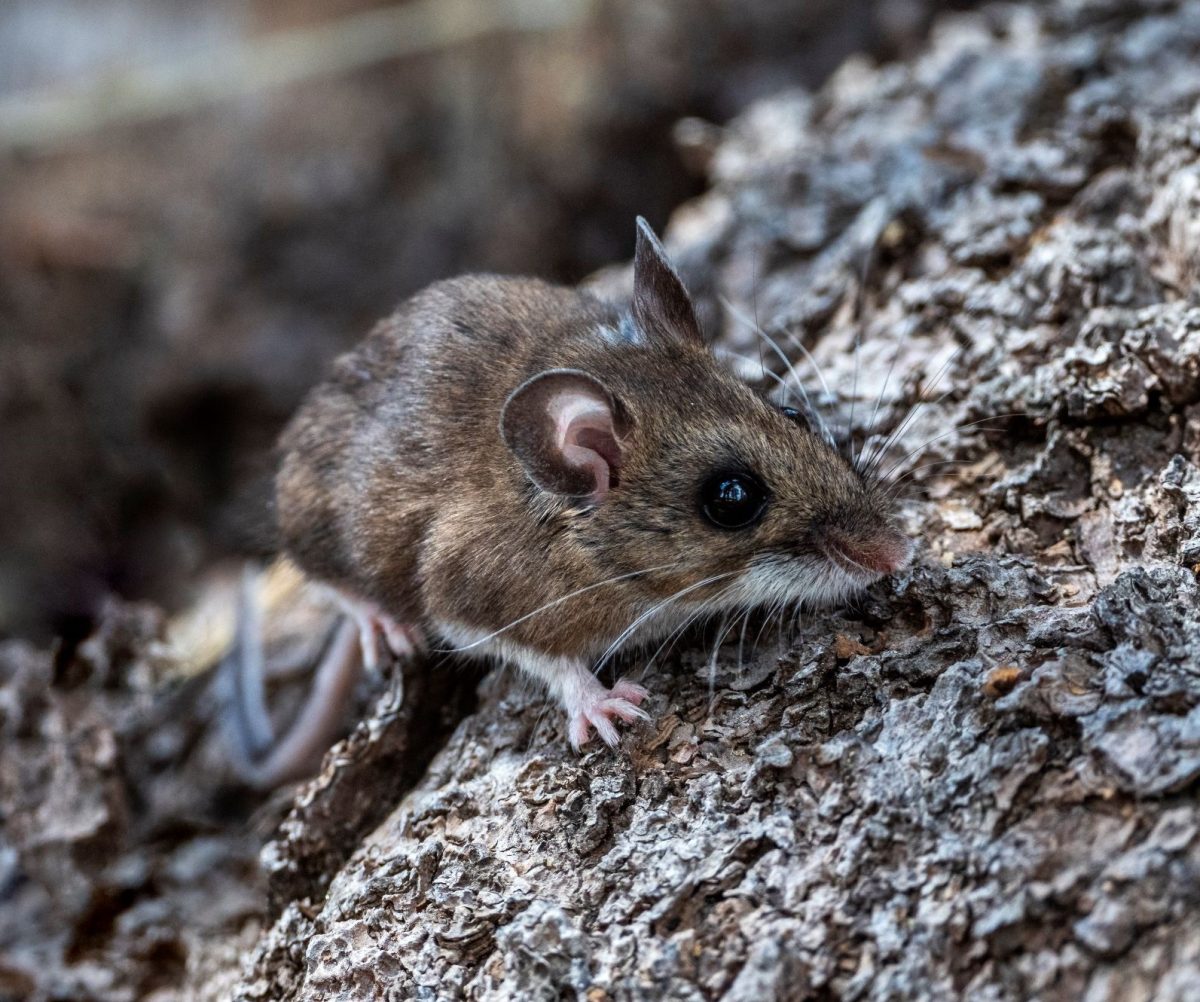
Hantavirus is a broad group of rodent-borne viruses of over 40 strains, with around 20 being officially classified as discrete viral species. The most dangerous strain, Andes virus, was discovered in 1995, originating in Argentina and Chile.
Recently, the Andes virus began to make headlines when a Dutch couple boarded the MV Hondius cruise ship. With the virus being dispersed by close personal contact, it began to spread to passengers aboard the Hondius. Although Andes virus symptoms can take up to six months to develop, 11 passengers have confirmed to be infected, with three passengers dying from the rare strain.
“The ship docking is a little scary because I really do not want to have another pandemic,” sophomore Leon Freeman said. “The first pandemic made everyday things so much harder, so I am scared of another outbreak.”
The Hondius successfully docked at a Dutch port in Rotterdam and was deeply disinfected and cleaned. Potential carriers have been evacuated off the ship and are being quarantined in Omaha, Nebraska and Atlanta, Georgia. Several other passengers are being isolated or monitored in sixteen U.S. states.
“I really don’t know if the government is being completely honest about the virus,” sophomore Mathew Gorbanian said. “The government could be hiding the truth so the public is not worried.”
The World Health Organization emphasizes that while the Andes strain is unique in its ability to spread between people, experts clarify that the virus is not airborne like other viruses, such as the flu or common cold. Transmission of the virus requires close contact and typically involves the spread of bodily fluids.
The Center for Disease Control and Prevention considers the risk of the Andes Hantavirus outbreak in the general American public to be very low. To ensure the safety of U.S. citizens, the U.S. is limiting travel-related importation and closely monitoring exposed individuals to protect against domestic Hantavirus.
During the COVID-19 pandemic, the world halted for a moment. It’s unclear if this Hantavirus outbreak has the same potential.
“The virus seems dangerous and it has been shown to have around a 40% mortality rate, which is way higher than COVID-19,” Gorbanian said. “I don’t think it has a full potential to lead to another quarantine, but I could see it shutting down many things.”