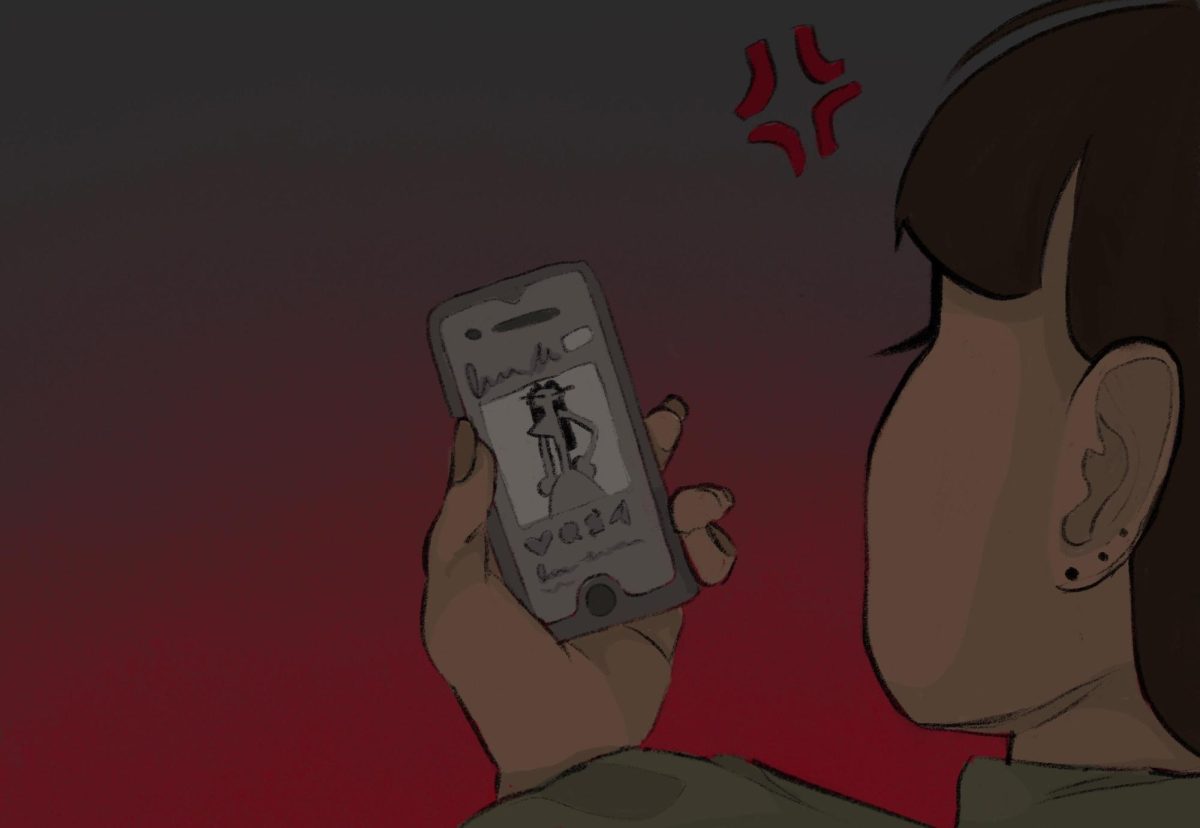
Teenagers all around the world rely on social media for entertainment, but as of Dec. 10, kids under the age of 16 in Australia could no longer enjoy that privilege. The Australian government is the first government in the world to implement a ban of this nature.
The ban prevents young social media users from accessing platforms such as Snapchat, Tiktok, Instagram, X and YouTube. The law aims to reduce mental health issues for Australia’s youth, control online harassment and combat the addictive algorithms that these apps use. Australia’s law will take important steps towards fulfilling these goals, showing that other countries should also adopt similar restrictions for teens.
“When you have figures like 13% of young people have been encouraged to take their lives online, then we have the responsibility to do something about it,” said Anthony Albanese, Prime Minister of Australia in an interview on 9 News Australia. “And importantly, this is a reform that hasn’t come from [the] government. It’s the idea that parents who had lost their young son or daughter took that tragedy and channeled it into making a positive difference so that other parents don’t have to go through what they did.”
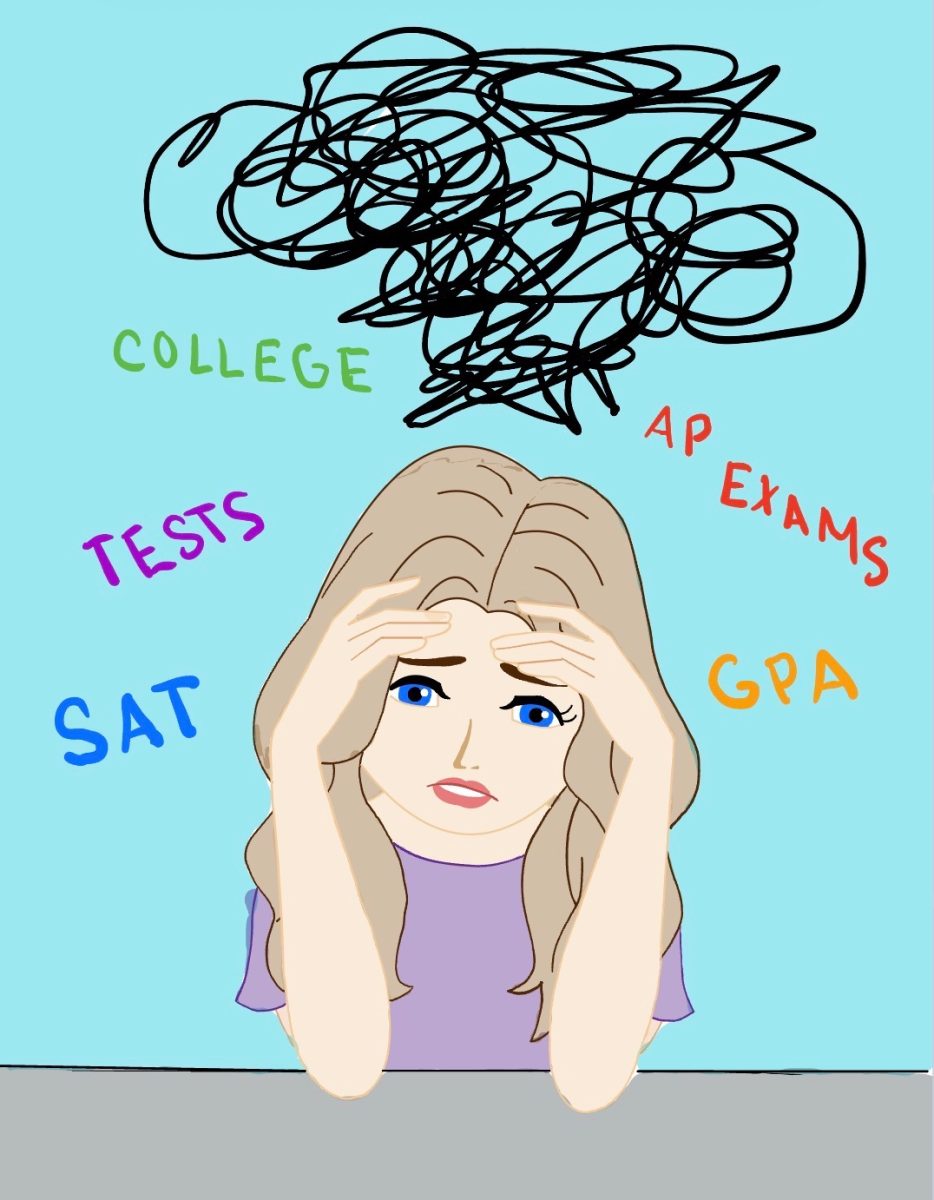
If a ban on social media for kids under 16 is implemented in the U.S., kids who previously relied on social media for entertainment will find it elsewhere. Anxiety and depression rates will decrease, real-life connections will grow and self confidence will improve.
“This [ban] is world leading legislation,” Albanese said in an interview on 9 News Australia. “It’s about giving children back their childhood.”
The overuse of social media is widely regarded as a prevalent issue. Many teens are susceptible to becoming addicted to these apps, resulting in dependency on their device. According to the Lanier Law Firm, roughly 42 percent of teens say that social media keeps them from connecting with friends in person. Personal communication and face-to-face interactions are extremely important for kids to experience, making bans on social media even more crucial.
“Nothing beats personal communication,” Albanese said in an interview on 9 News Australia. “[Becuase of social media], that is one of the things that children are being robbed of with their childhood, the capacity to actually engage and to know what is real and not real.”
Many other countries see the benefits of bans on social media. According to the New York Times, Denmark and Malaysia said that they will plan to take similar restrictions in the future, leaving other countries to follow in their footsteps. Canada, the U.S. and many European countries are also watching Australia’s social media ban closely.
It is a promising sign that Australia is implementing a ban on social media for kids under 16, as such a ban paves the way for hopefully many more countries to follow in the future. With a ban on social media, teens will start experiencing the healthy childhood they deserve.