
McLean released a new policy regarding the management of clubs’ social media accounts in early October. Under the policy, club sponsors now have a greater involvement in what is posted on social media pages, with students having no direct access to accounts.
“Moving forward, students may continue to create content for a club’s social media platforms; however, sponsors must review all content prior to posting and be the individuals who actually post it,” Director of Student Activities Greg Miller said in an email to club sponsors on Oct. 10. “Students should no longer have access to post directly on any official McLean social media accounts.”
The policy is only being implemented within McLean and is not a countywide regulation. It comes after reports of offensive content on school social media pages.
“There have been issues where there’s certain Instagram feeds where [students] talk about McLean High School and say inappropriate things that don’t make the club or sport look good,” Miller said. “This certainly doesn’t make the school or the county look good either.”
Since these clubs and sports are affiliated with McLean High School, school staff were concerned over the way the school is being represented.
“We’re trying to make sure that anyone who is representing our school does it in a positive way,” Miller said.
The new policy will allow teachers and coaches to limit the publication of content that could be offensive to others.
“[Club sponsors] can control if there are harsh opinions or bullying,” said social studies teacher Annie Daggett, who coaches the JV girls soccer team.
Some students disagree with McLean’s administration, as they believe the new policy is restricting their ability to express the messages of their club or sport.
“For the girls field hockey [account], it creates the possibility of barriers for creativity,” senior Madeleine Van Valkenburg said. “The player who handles our social media creates very colorful and interesting photos, but our coach vetoes them and now we don’t have a cool Instagram.”
According to Miller, the policy is not intended to limit the ability of students or clubs to express themselves.
“99.9% of the content that our kids are putting out there is good and positive, so we don’t want to take that away,” Miller said. “We don’t want the teachers and the sponsors creating the content. We want the [students] still creating all the content while making sure the teacher has access to what’s being put up there.”
This new policy adds to the responsibilities that teachers, club sponsors and coaches have, as they now have the responsibility to revise and create social media posts.
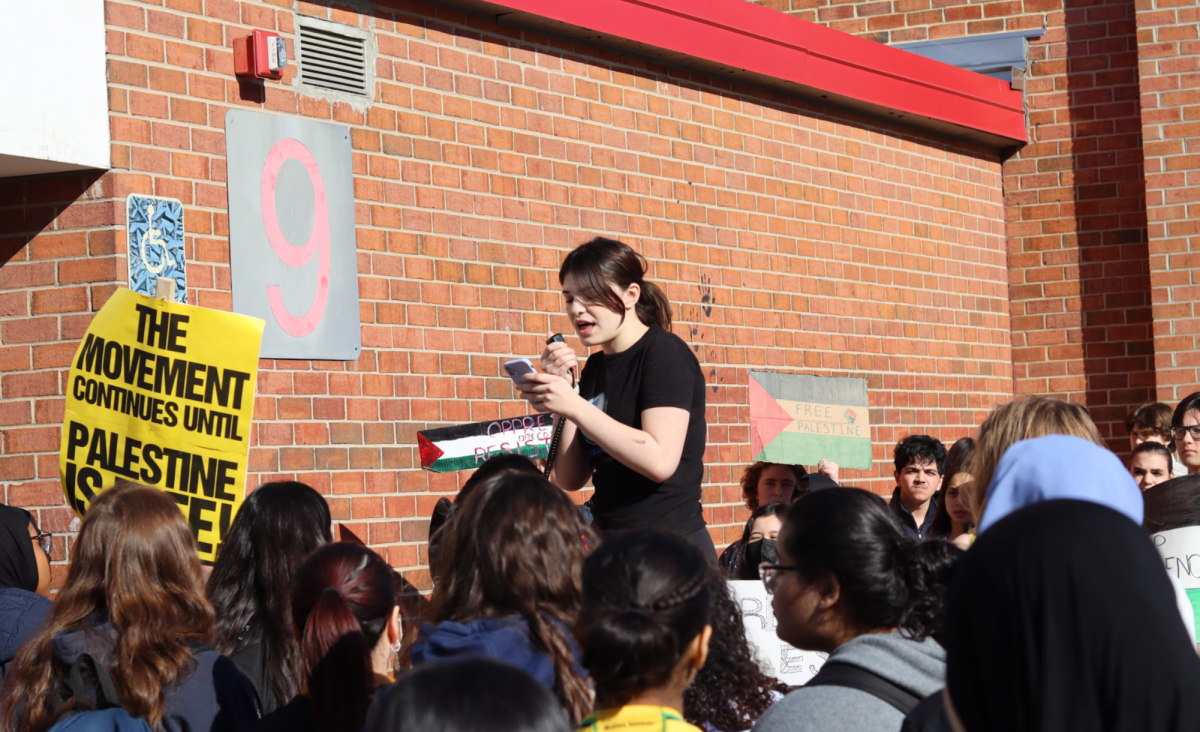
“I think [the policy] is negative for teachers and for coaches,” Daggett said. “We are told to do so much, and this is just another thing that I need to be doing now. I didn’t sign up to do social media.” The policy of having teachers and coaches creating posts may also shift accountability for social media content onto the school. In a recent controversy, students within various Muslim Student Associations at FCPS high schools faced disciplinary action after posting content that was perceived to be antisemitic; under the new policy, sponsors could face more liability for failing to catch potentially offensive content.
“It seems tedious and unnecessary,” Daggett said. “Having the kids post on their own after having approval would be better than asking teachers and coaches to do it.”
The policy has begun to alter club and sport online content, but students and staff have yet to see the long-term impacts.
“I know that this new policy takes away a lot of freedom of expression,” Daggett said. “But it’s something we have to navigate now.”