Instead of grading for completion, many FCPS teachers assess the accuracy of homework and assign a score accordingly. With this current grading method, students dread the thought of doing their homework, knowing that one wrong answer may cost them numerous points. This should not be the case—homework is meant to be practice work for home, not a test.
When teachers grade homework solely on accuracy, they send the message that early-on perfection matters more than learning. This misguided prioritization of perfection discourages risk-taking and honest effort. Students become afraid to make mistakes, missing out on experiences that lead to growth and learning.
Homework often comes to feel like a measure of intelligence, and being consistently penalized for mistakes can demotivate students. This decreases confidence and engagement with the specific subject or topic.
To protect their grades, some students may even resort to looking up or copying answers from a friend, which defeats the purpose of homework.
Not only is such a grading method detrimental to students’ learning, but it also has an unfavorable impact on students’ mental health.
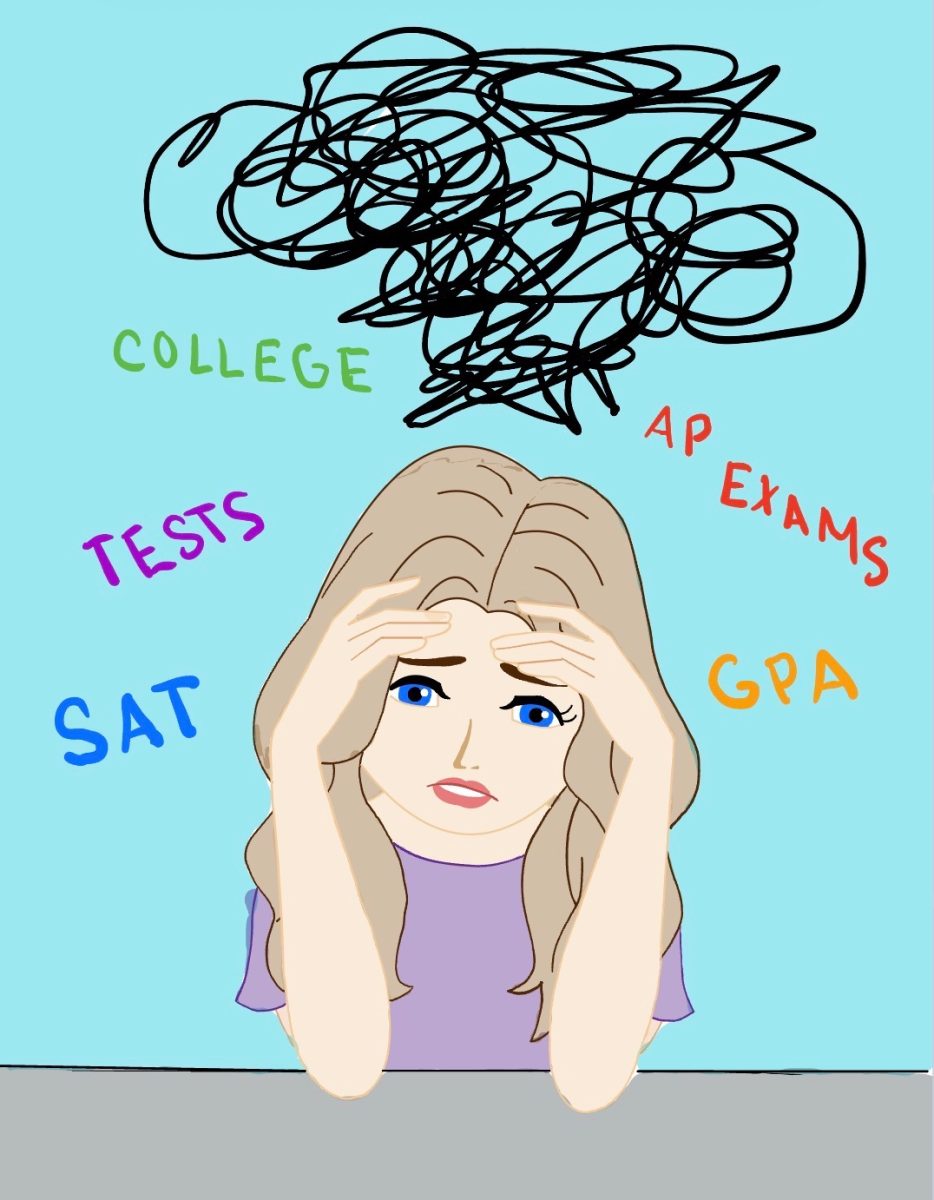
Students already face stress from exams and quizzes. According to Crown Counseling, over 70% of high school students report often or always feeling stressed over school work. Treating homework as another test only exacerbates this issue and pushes many over the edge.
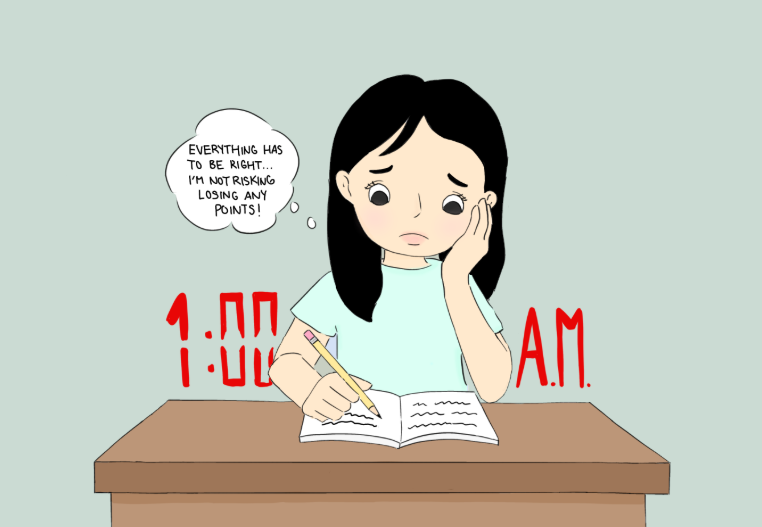
Under the burden of needing every answer to be right, students may stay up unreasonably late, obsessing over every number or every word just to get that perfect 100%. This cycle of stress fuels burnout, anxiety and a negative relationship with learning.
Despite the many downsides of accuracy based homework grading, many argue that if homework wasn’t graded on accuracy, students may not take it seriously and just fill in random answers to get credit.
However, just as a study conducted by Edutopia finds, there will always be students who won’t do the assignment truthfully, whether it’s graded on accuracy or not. Completion-based grading doesn’t override accountability; teachers can require students to show work and ask homework related questions in class. In fact, this way, students who put in genuine effort to complete their own work are not unfairly punished for honest mistakes.
Right now, it’s not just grades at stake, but also the mental health of students. Rather than punishing students for small errors, schools county-wide should implement a gradual shift from strictly accuracy-based homework grading, and move towards a completion based homework grading policy.