
In late May, FCPS issued an email to all parents and staff detailing severe budget constraints. In the memo, Superintendent Michelle Reid stated that “balancing our budget will require cuts and reductions that will impact our students, staff and families” due to a $121 million shortfall.
The memo outlined painful eliminations: classroom monitors, funding for learning materials and cuts to administrative staff. Teacher raises were reduced from the previously promised seven percent to six percent, and class sizes were increased.
Yet, just two months later in July, the district somehow discovered a minimum of $89,000 to fund an executive bodyguard for Reid. In contrast, the average FCPS teacher earns $82,000, according to the Virginia Department of Education.
The job posting could eventually expand to four full-time security staffers. FCPS officials have cited rising threats against public officials nationwide as justification for the position.
“Dr. Reid does receive concerning communications because of her heightened
position and role,” FCPS said in a statement to The Highlander.
The decision to hire a bodyguard is a troubling reflection of the district’s priorities. This amount could be used to fund teaching positions, invest in learning materials or provide for mental health resources. Instead, it is used to protect one administrator who recently had her salary
raised to $424,000—more than that of the President of the United States.
No one denies that threats against school officials are a real concern. FCPS has confirmed that Reid has received threats. Protecting public officials matters. But is a bodyguard the best way to allocate resources?
Data from other large school systems around the nation suggest that the answer is no. Maryland’s Montgomery County, with a violent crime rate twice that of Fairfax County, has no personal security for its school district’s superintendent. Chicago Public Schools, which has crime rates above the national average, also operates without one.
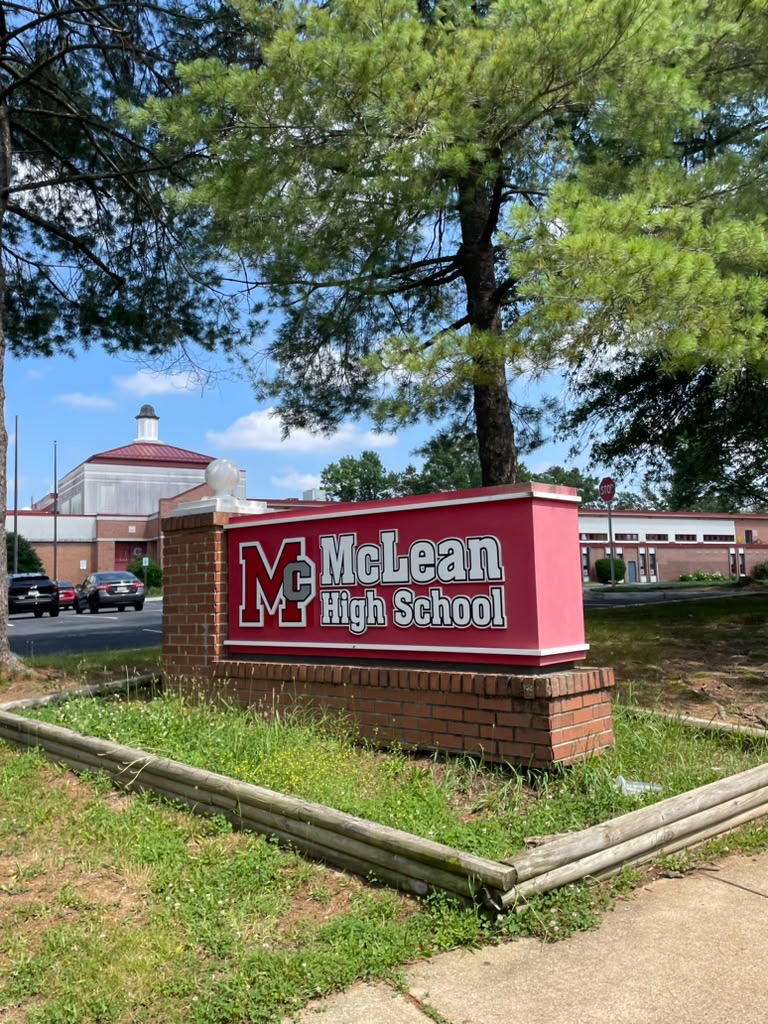
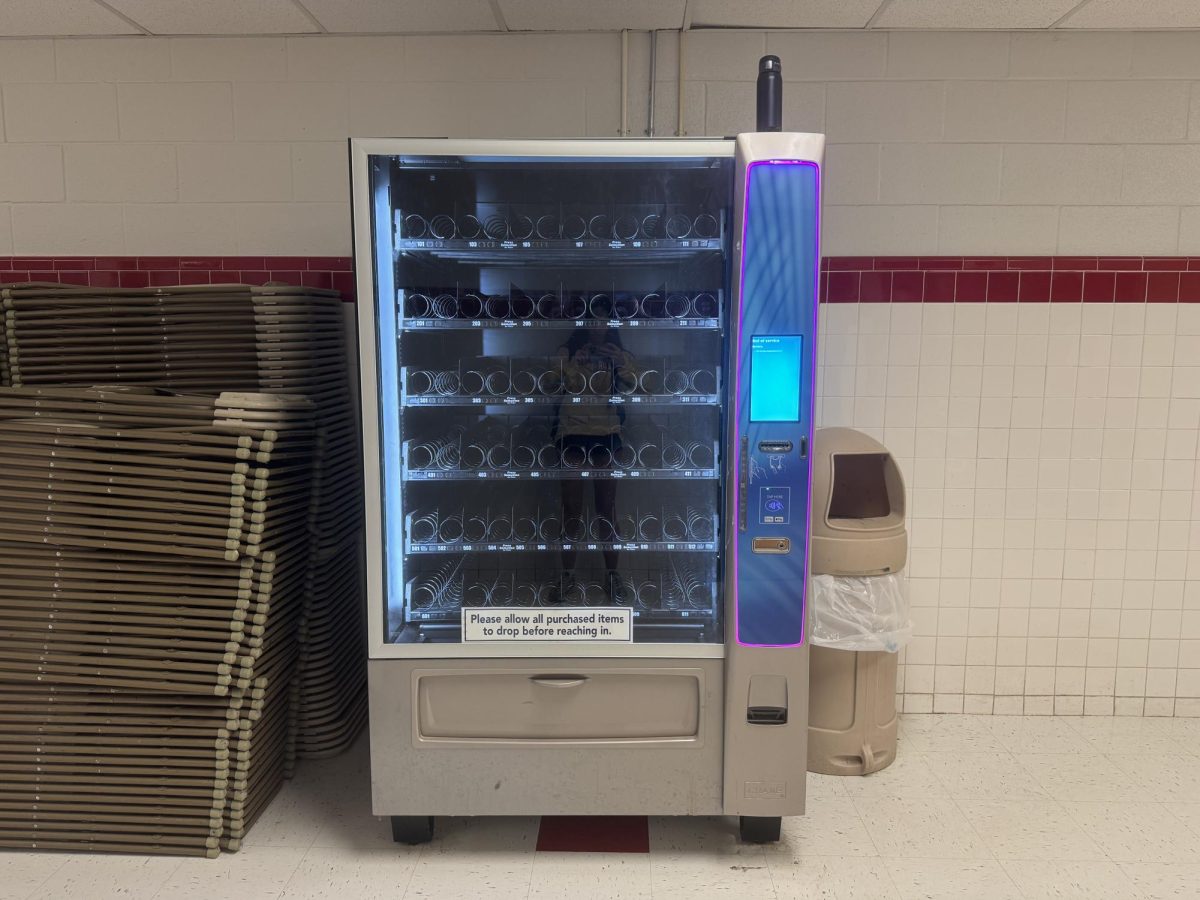
At McLean, these misplaced priorities are apparent through persistent infrastructure problems. Students are questioning whether this money could be better utilized.
“There are definitely problems with the infrastructure that we could allocate the budget towards,” junior Nubaid Khan said. “I don’t think the money [for a bodyguard] is being spent in the right place.”
All across FCPS, educators work to prevent students from experiencing mental health crises and intervene in dangerous fights. They earn less than what Reid’s bodyguards will make, yet they are the ones confronting real risks in classrooms daily.
The hiring of a bodyguard also conveys a symbolic message. One of the most fundamental aspects of being a public official is accepting accountability and exposure. Effective leaders stand with communities, share challenges and demonstrate commitment through presence rather than protection. By insulating herself from those she serves, Reid sends a message that her position is a privileged one requiring guards.
FCPS has long insisted that school safety is the highest priority. But that will never come from bodyguards. Real solutions require investments into schools. According to FCPS data, 30% of students report symptoms of depression. Funding mental health resources is proven to reduce violent incidents, which will improve safety for all of FCPS, including administrators.
With the Department of Education threatening to withhold millions in federal funding from FCPS over alleged Title IX violations, every dollar matters more than ever. The funding for the bodyguard should instead support programs that have had their funding slashed. While Reid’s May memo spoke of shared sacrifice, none was required when it came to a bodyguard.
A bodyguard may keep Superintendent Reid safe, but it leaves the rest of FCPS wondering who is looking out for them.