Ever since its official release in 2022, artificial intelligence (AI) has threatened the jobs of workers in countless fields around the world with its possibilities. With a recent surge in AI technology development, these threats are coming to fruition—more and more creative tasks are being delegated to generative AI, posing an enormous threat to those in the creative and artistic industries.
While AI is a vast field and can be used in nearly every sector, generative AI refers specifically to AI that is used to create original content, including text, images, graphics, videos, audio and even music. Generative AI emerged in the 2010s, but only peaked recently—particularly with the introduction of modern Large Language Models (LLMs) such as Open AI’s ChatGPT and Google’s Gemini.
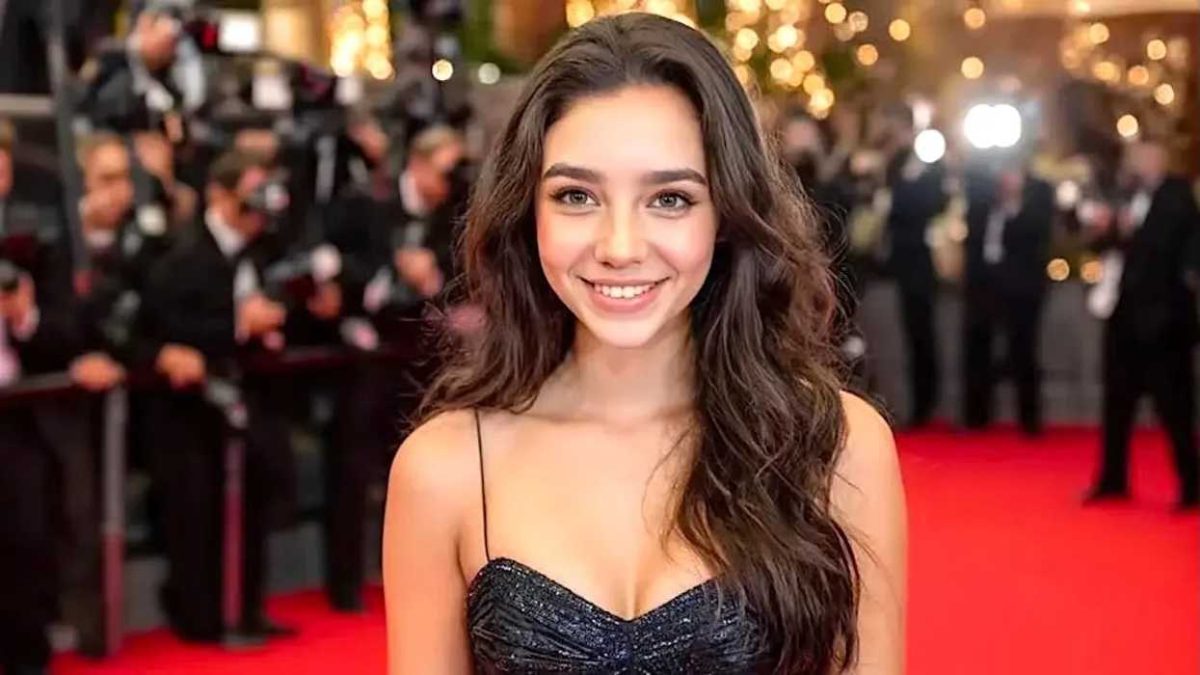
An example of a product of generative AI is the AI-generated actress known as Tilly Norwood who appeared as a new face in Hollywood in 2025. Her character was created by Dutch actress and producer Eline Van der Velden along with her company, Particle6. While Norwood was designed to act specifically in her own genre of AI-generated films, her creators received significant backlash, especially after Van der Velden revealed that she had plans to create even more virtual characters in the future.
Similarly, fans have speculated whether or not Sienna Rose, a musical artist who has recently gained a significant following, creates AI-generated music. With over four million monthly listeners on Spotify, she has prompted many people to express skepticism regarding her unprecedented rise in fame and the suspiciously high volume of music she has released in such a short timeframe.
The attention being brought to these artists has exacerbated concerns about AI replacing working artists in the creative industry. Many people believe that this would threaten thousands of jobs relating to music, putting the skill of real artists to waste.
Many also argue that jobs such as acting and creating music require genuine emotion and passion, something that AI does not possess. Although AI can attempt to mimic human emotion, it does not have the ability to truly replicate the emotional depth and authenticity that is put into the human creative process.
Unfortunately, as generative AI has become more advanced, it has also become increasingly difficult for many people to differentiate between human-made art and AI-generated art.
While this issue may seem insignificant to some, AI and generative works devalues the hard work of real artists who commit countless hours and effort to the creative process in order to create original, meaningful work. On the other hand, AI-generated content is simply created by typing up a prompt, marking a clear difference between the dedication that is put into content creation.
Although this is still a growing issue, with the continued development of AI, it may escalate to become a severe problem, threatening the livelihood of many. With future AI concepts and their development, it will become especially important to use critical thinking to inform our perspectives and decisions on the use of AI in our future.