

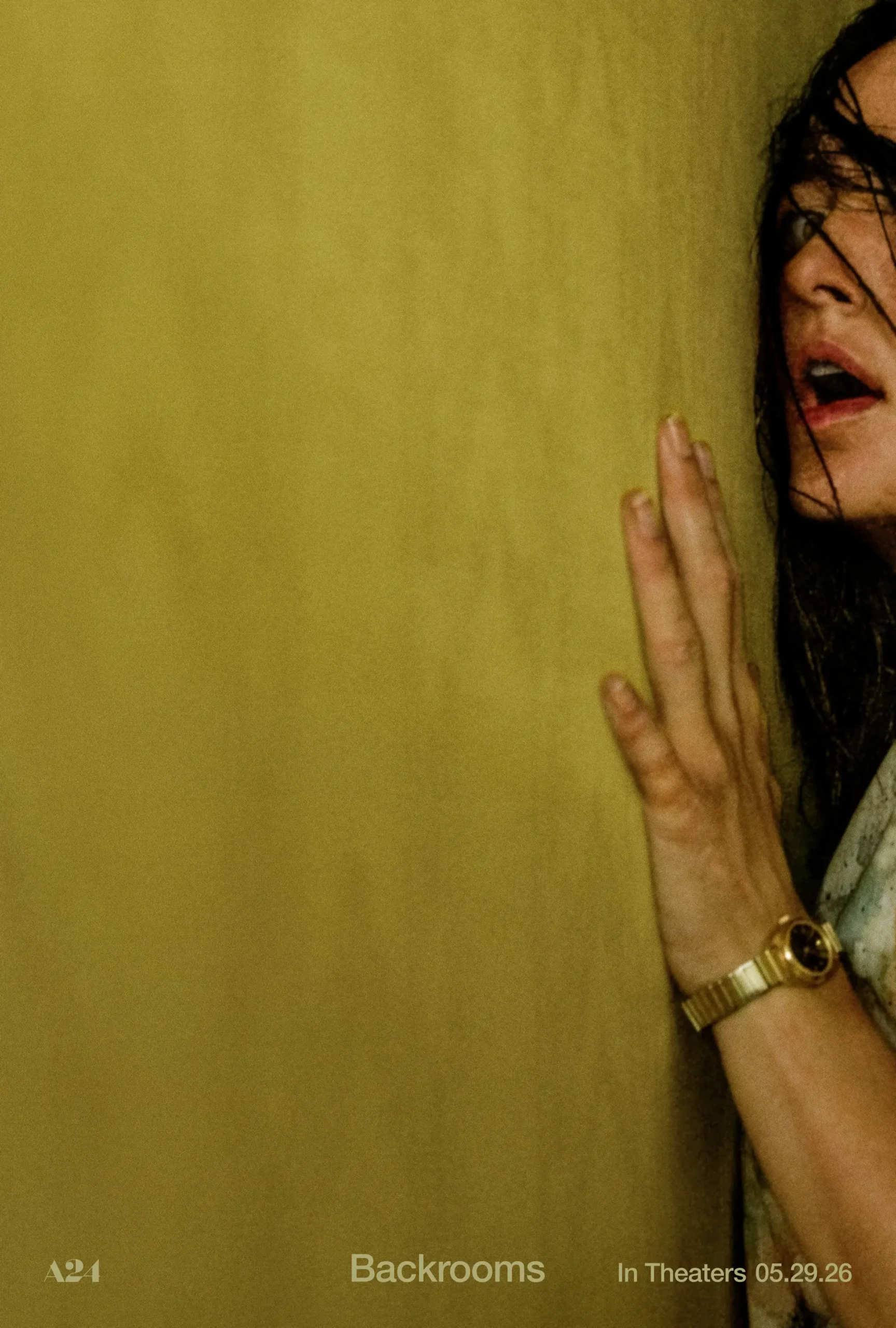



The Backrooms, once an extradimensional location founded by a teenager, was released in theaters globally on May 29, bringing to life a universe of eerie isolation and uncanny mystery. The psychological liminal-space thriller follows a sequence of scattered, underdeveloped events featuring an architect and a therapist who both wind up entangled in the endless maze hunted down by disturbingly surreal entities.
The opening of the horror film smashed A24’s previous debut record held by Civil War, topping the box office with three times the sales of the original record, pulling over $118 million globally. 20-year-old Kane Parsons becomes the youngest director ever to top the charts.
Backrooms was originally adapted from a viral urban legend. A24 entrusted the 10 million dollar thriller to Parsons who initially began creating footage-like short films on YouTube, blowing up the universe to 78 million viewers. Mounted on unsettling endless yellow hallways and misplaced objects that don’t belong, the Backrooms delivered less of a storyline, and more of an exploratory and immersive experience into the Backrooms universe.
The opening scene launches the readers into an intense chase inside the terrifying halls of the Backrooms, setting the stage for mystery and anticipation before the protagonist, Clark, slowly starts to uncover secrets of the hidden world in the back of his own furniture store.
Clark is introduced as an unsuccessful store manager burdened with the grief of his deceased wife. Throughout the film, Clark gradually accepts the Backrooms and eventually comes to prefer them over his troubled reality. Despite this change in character, the movie overall never establishes a full picture of the psychological or physical imprints that the Backrooms leaves on victims, leaving out the opportunity for viewers to empathize with the characters.
As different rooms of the Backrooms unfold, Clark reveals that the endless maze is just a replica of “every place that ever was.” This intriguing insight into how this alternate universe functions, coupled with increasingly more disturbing occurrences in the Backrooms, successfully elevates the atmosphere of discomfort and mystery.
The therapist, Dr. Mary Kline, endures her own trauma from an isolated childhood but also never experiences character development. Her experiences in reality versus the Backrooms is scattered across the film, functioning more as elements to add to the mystery rather than the plot. Although Clark is killed by his duplicate entity, Kline escapes and is discovered by the Ansync company that created the Backrooms universe.
Through and through, the movie delivers a storyline that does not surmount to any kind of developed narrative, but rather leaves the viewers with more questions than answers. Despite this, the plot of this sub two hour film continues to deliver an element that was what drew in fans from the beginning: the atmosphere of never-ending, unsettling mystery.
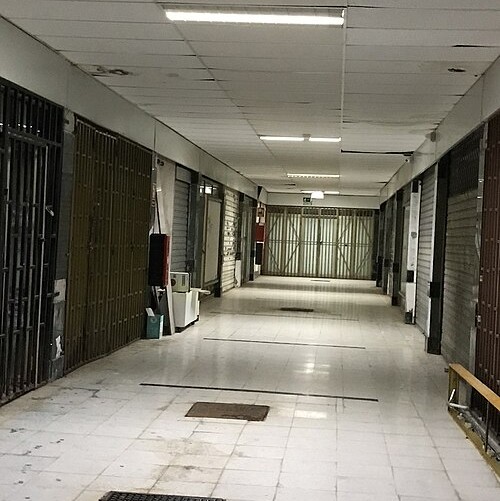
It is said that nothing in the Backrooms makes sense, and the film itself confirms just that. The only solid ground viewers can rely on for understanding are the floors of familiar yellow hallways that go on endlessly, eventually losing the characters, the audience and the plot under the eerie fluorescent lights.
I